

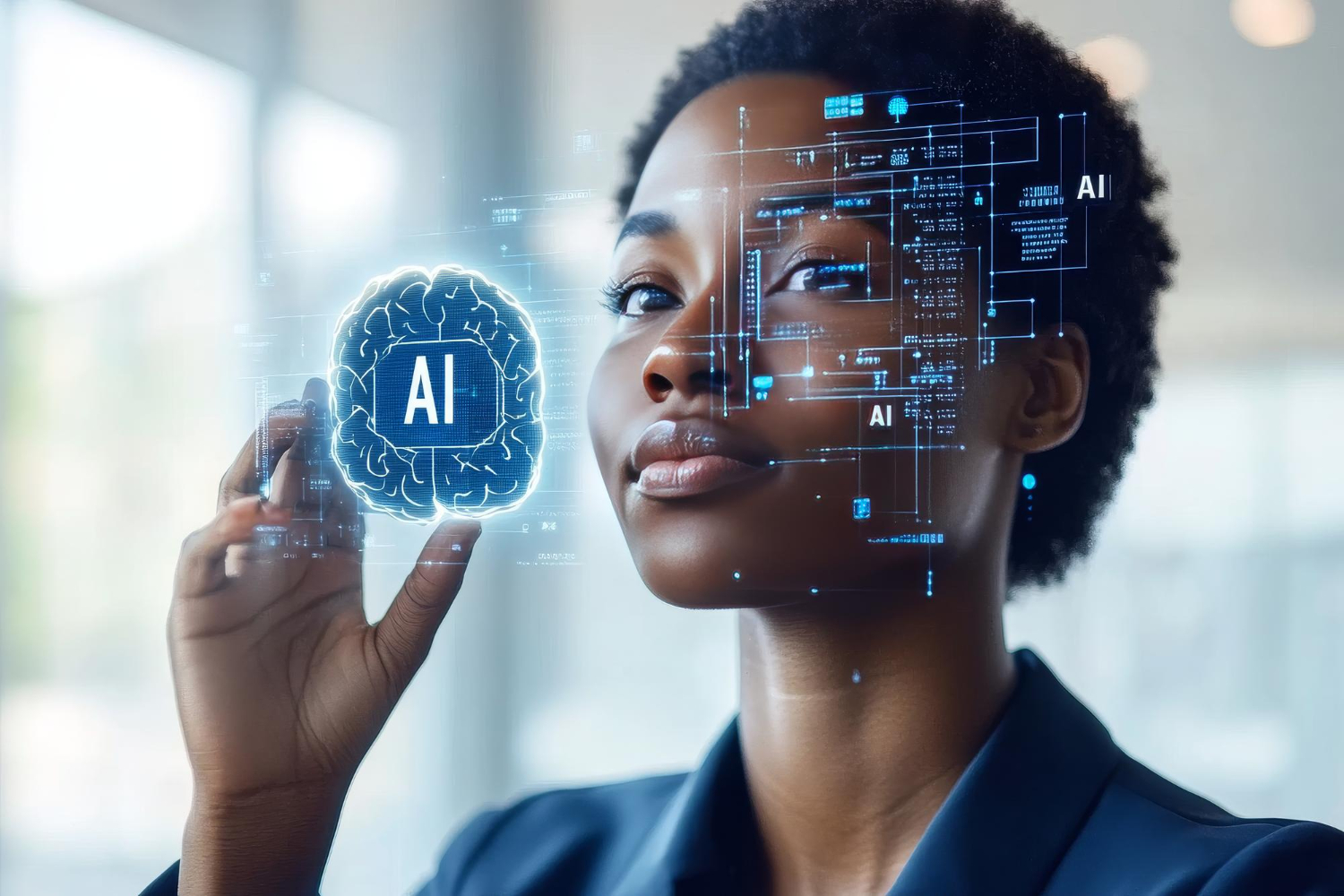
A recent breakthrough in artificial intelligence has left researchers and tech experts around the world amazed. This new AI discovery is being described as one of the most significant advancements in modern technology because it shows capabilities that go far beyond traditional machine learning systems. From improved reasoning to more human-like decision making, this innovation is changing how experts view the future of automation and digital intelligence. As AI continues to evolve rapidly, this discovery highlights both the exciting opportunities and important challenges that come with advanced intelligent systems.
Breakthrough Overview of the New Artificial Intelligence Discovery
A Major Leap in Machine Learning Capabilities
The latest artificial intelligence discovery introduces a new level of machine learning performance that allows systems to process complex information with greater accuracy and speed. Unlike older models, this AI can understand patterns in data more deeply, making it significantly more efficient in solving real-world problems. Experts believe this advancement marks a shift from simple predictive systems to more adaptive and intelligent frameworks that can learn continuously without constant human input.
Why Experts Are Surprised by This Innovation
What makes this AI discovery so surprising is its ability to perform tasks that previously required human reasoning. Researchers report that the system demonstrates unexpected problem-solving behavior, especially in areas involving logic, language, and decision-making. Many experts did not expect such rapid progress, and this has raised both excitement and concern in the scientific community. The discovery suggests that AI development is accelerating faster than predicted.
Early Reactions from the Technology Community
The global technology community has responded with a mix of admiration and caution. Some experts see this as a revolutionary step toward advanced artificial general intelligence, while others warn about the need for careful regulation. Discussions across research institutions emphasize the importance of ethical development and responsible use. This discovery has opened new debates about how far AI should be allowed to evolve.
How the Artificial Intelligence Breakthrough Works
Advanced Neural Architecture Design
At the core of this AI discovery is a highly advanced neural architecture that mimics certain aspects of human cognition. This structure allows the system to process information in layers, improving both speed and understanding. Unlike traditional models, this architecture can reorganize itself based on new data inputs, making it more flexible and adaptive in dynamic environments.
Self-Learning and Adaptive Intelligence Systems
One of the most impressive features of this AI is its ability to learn continuously without heavy human supervision. The system uses adaptive learning techniques that allow it to refine its knowledge over time. This self-improving mechanism helps the AI become more accurate and efficient as it processes more data, reducing the need for manual updates or corrections.
Enhanced Data Interpretation and Decision Making
This new AI system is also capable of interpreting large volumes of data and making decisions with improved accuracy. It can identify hidden patterns and relationships that older systems might miss. This enhanced decision-making ability makes it useful in areas like research, forecasting, and complex problem-solving, where accuracy and speed are critical.
Impact of the AI Discovery on Future Technology and Society
Transformation of Industries and Workflows
The artificial intelligence discovery is expected to transform multiple industries, including healthcare, finance, education, and technology. Businesses may use this AI to automate complex tasks, improve efficiency, and reduce operational costs. As a result, traditional workflows may change significantly, requiring workers to adapt to new digital systems and tools.
Ethical Concerns and Responsible AI Development
With such powerful technology comes important ethical questions. Experts are concerned about how this AI could be used and whether it could replace certain human roles. Issues like data privacy, decision transparency, and accountability are becoming central topics in AI discussions. Responsible development will be essential to ensure that the technology benefits society without causing harm.
The Future of Human and AI Collaboration
Instead of replacing humans, this AI discovery may lead to stronger collaboration between humans and machines. AI systems can handle complex data tasks, while humans focus on creativity, strategy, and emotional intelligence. This partnership could lead to higher productivity and innovation across many fields, shaping a more efficient future.
FAQs
What is the new artificial intelligence discovery about?
It refers to an advanced AI system with improved learning, reasoning, and decision-making abilities beyond traditional models.
Why are experts surprised by this AI breakthrough?
Experts are surprised because the system shows human-like reasoning and faster learning capabilities than expected.
How does this AI technology work?
It uses advanced neural networks, self-learning systems, and adaptive intelligence to process and analyze data efficiently.
Will this AI replace human jobs?
It may automate certain tasks, but it is more likely to support humans rather than completely replace them.
What industries will benefit the most from this AI?
Healthcare, finance, education, and technology are expected to benefit significantly from this innovation.
Conclusion
The new artificial intelligence discovery represents a major milestone in the evolution of modern technology. With its advanced learning abilities, adaptive intelligence, and powerful decision-making systems, it has the potential to reshape industries and redefine how humans interact with machines. While the innovation brings exciting opportunities, it also raises important ethical considerations that must be addressed carefully. As AI continues to develop, the future will likely depend on how responsibly we guide and integrate this powerful technology into everyday life.