

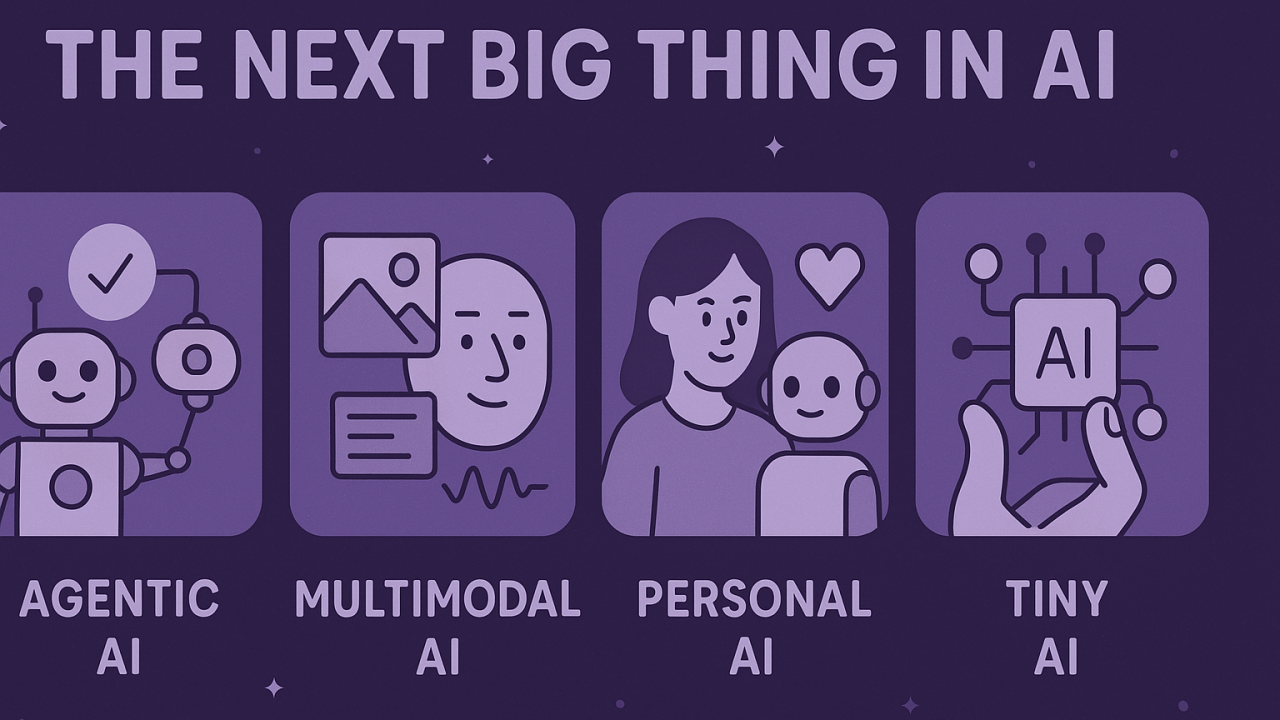
The world of artificial intelligence is evolving faster than ever, and the next big thing in AI has already arrived. From autonomous AI agents to advanced generative systems, technology is moving beyond simple tools into fully decision-making systems that can act, learn, and create with minimal human input. While these advancements promise massive productivity gains and innovation, they also raise serious concerns about ethics, jobs, privacy, and control. This shift is why the latest wave of AI development is both exciting and highly controversial, making it one of the most important technological discussions of our time.
The Rise of the Next Generation of AI Systems
Autonomous AI Agents Changing Digital Workflows
Autonomous AI agents are systems that can complete tasks without constant human guidance. Unlike traditional AI tools that respond to prompts, these agents can plan, execute, and adjust actions on their own. This is transforming how businesses handle customer support, marketing, research, and operations. The growing use of AI agents is one of the most important artificial intelligence trends because it reduces manual workload and increases efficiency. However, it also raises questions about control and accountability when machines make independent decisions.
Multimodal AI Systems Combining Text, Image, and Video
Multimodal AI is another breakthrough shaping the next big thing in AI. These systems can understand and generate multiple types of content, including text, images, audio, and video. This makes communication with AI more natural and powerful. For example, a single AI system can analyze documents, create visuals, and generate reports simultaneously. While this improves productivity, it also increases the risk of misuse, especially in creating realistic but misleading content. As multimodal AI becomes more advanced, its impact on digital media continues to grow rapidly.
Self-Learning Models Improving Without Human Input
Self-learning AI models are designed to improve performance over time by analyzing new data continuously. These models reduce the need for constant human retraining, making them more efficient and scalable. In industries like finance, healthcare, and logistics, self-learning systems can adapt quickly to changing conditions. However, the lack of transparency in how these systems evolve creates concerns. When AI improves itself, it becomes harder for humans to predict or fully understand its decision-making process.
Why the New AI Revolution Is So Controversial
Job Displacement and Workforce Transformation
One of the biggest concerns surrounding advanced AI systems is job displacement. As AI agents become more capable, many traditional roles in data entry, customer support, content creation, and analysis are at risk. While new jobs may emerge, the transition period can be difficult for workers who need to reskill quickly. This creates uncertainty in the global job market and raises important questions about how societies will adapt to automation at scale.
Misinformation and Deepfake Technology Risks
The rise of generative AI has made it easier to create highly realistic fake images, videos, and audio. This has led to growing concerns about misinformation and deepfake content being used to manipulate public opinion. As AI-generated media becomes more convincing, it becomes harder to distinguish between real and fake information. This challenge poses serious risks for journalism, politics, and online trust, making regulation more important than ever.
Privacy and Data Security Concerns
Modern AI systems rely heavily on large amounts of data to function effectively. This raises serious concerns about how personal information is collected, stored, and used. Many users are unaware of how their data is processed by AI models, leading to privacy risks. In addition, the possibility of data leaks or misuse adds another layer of concern. As AI becomes more integrated into daily life, protecting user privacy has become a top priority for developers and regulators.
How AI Will Shape the Future of Industries
Business Automation and Smart Decision-Making
AI is rapidly transforming business operations by automating repetitive tasks and improving decision-making. Companies are using intelligent systems to analyze data, predict trends, and optimize performance. This leads to faster workflows and reduced operational costs. However, businesses must also balance automation with human oversight to avoid over-reliance on machines in critical decisions.
Education Becoming More Personalized and Adaptive
In education, AI is making learning more personalized. Intelligent systems can adapt lessons based on student performance, helping learners understand concepts at their own pace. This improves engagement and learning outcomes. At the same time, educators are concerned about over-dependence on AI tools, which may reduce critical thinking skills if not used properly.
Creative Industries Facing Major Disruption
Creative fields such as writing, design, music, and video production are experiencing significant changes due to AI tools. These systems can generate high-quality content in seconds, reducing the time needed for creative work. While this increases productivity, it also raises concerns about originality and the value of human creativity in the digital age.
FAQs
1. What is the next big thing in AI?
The next big thing in AI is the rise of autonomous AI agents and multimodal systems that can think, act, and create independently.
2. Why is advanced AI controversial?
It is controversial due to concerns about job loss, misinformation, privacy risks, and lack of control over AI decisions.
3. How will AI affect jobs in the future?
AI may automate many repetitive jobs, but it will also create new roles that require advanced digital skills.
4. Is AI safe to use in daily life?
AI is generally safe when used responsibly, but risks exist if systems are misused or poorly regulated.
5. Which industries will AI impact the most?
AI will heavily impact business, education, healthcare, and creative industries through automation and smart systems.
Conclusion
The next big thing in AI represents a major turning point in technology, where systems are becoming more autonomous, intelligent, and integrated into everyday life. While these advancements offer incredible opportunities for growth, efficiency, and innovation, they also bring serious challenges that cannot be ignored. The future of AI will depend on how responsibly it is developed and used. As this controversial technology continues to evolve, understanding its impact today is the first step toward preparing for tomorrow.